Long before the roar of Levi’s Stadium and the bright lights of Super Bowl LX, the Patriots sat at the summit of professional football. For nearly two decades, New England defined excellence in the National Football League, blending elite coaching, shrewd roster building, and the calm leadership of a franchise icon into a dynasty rarely seen in American sports.
Between 2001 and 2018, the Patriots reached the Super Bowl eleven times, winning six Lombardi Trophies — a run that solidified them among the sport’s all-time greats. From early victories in the Brady–Belichick era to historic wins like the 34–28 overtime comeback against the Falcons in Super Bowl LI, New England’s success became the standard by which others were judged.
But dynasties, even the best, eventually fade.

After the departure of quarterback Tom Brady — the face of the franchise — in 2020 and his eventual retirement in 2023, the Patriots entered a difficult new chapter. Coaching changes, front-office turnover, and a general loss of identity contributed to back-to-back 4–13 seasons. For a fanbase accustomed to November playoff football, this was unfamiliar territory.
Two seasons ago, optimism was low in New England. The roster lacked star power, and the Patriots were no longer feared — they were rebuilding. The franchise made bold decisions, including a new head coach and a high draft pick at quarterback. That pick became Drake Maye, the talented but untested passer who would become central to the team’s resurgence.
Under head coach Mike Vrabel, brought in to steady the ship, the young Patriots found a new identity rooted in tough defense, disciplined play, and steady leadership. The turnaround was swift and dramatic — from 4–13 teams to a league-best 14–3 record in the 2025 season.
“It’s like we’ve built something real here,” Vrabel said as New England clinched the AFC East and powered through the playoffs. A gritty 10–7 victory in a snowstorm over the Denver Broncos earned the Patriots a place in their 12th Super Bowl — the most of any franchise in league history.
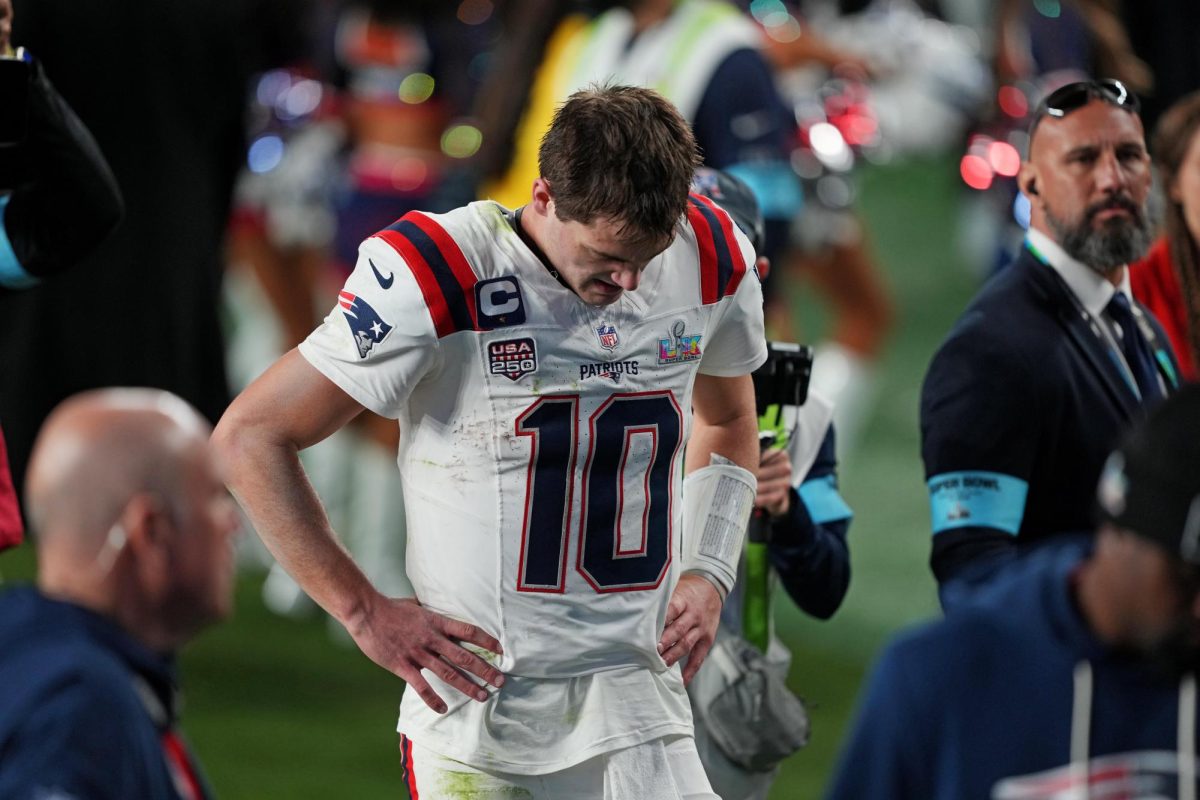
On February 8, 2026, the Patriots returned to football’s biggest stage for the first time since their 2019 championship season. Against the Seattle Seahawks, however, New England came up short, falling 29–13. Despite a breakout campaign from Maye and staunch defense, the offense struggled to sustain momentum.
Despite the loss, the Patriots’ return to the Super Bowl was nothing short of historic. Maye, just 23, became one of the youngest quarterbacks to start in the championship game, and his meteoric rise from rookie to Super Bowl starter energized a fanbase that had endured years of frustration.
“We didn’t get the result we wanted,” Maye said afterwards, “but this season showed what this team is capable of.”
For a franchise that once seemed finished, this season marked a rebirth more than a return. Analysts noted that the turnaround — the largest one-year win improvement in NFL history — didn’t happen by chance but by design: a committed coaching staff, a promising young quarterback, and a culture rebuilt from the ground up.
Now comes perhaps the biggest question of all: can this new iteration of the Patriots sustain success? With cap flexibility, vital young contributors, and a renewed belief in themselves, many analysts think this is just the beginning of another competitive era in New England.
Just as the dynasty of the early 2000s reshaped the NFL landscape, this latest chapter may yet define a new generation of Patriots football — one born not from glory, but from struggle and reinvention.