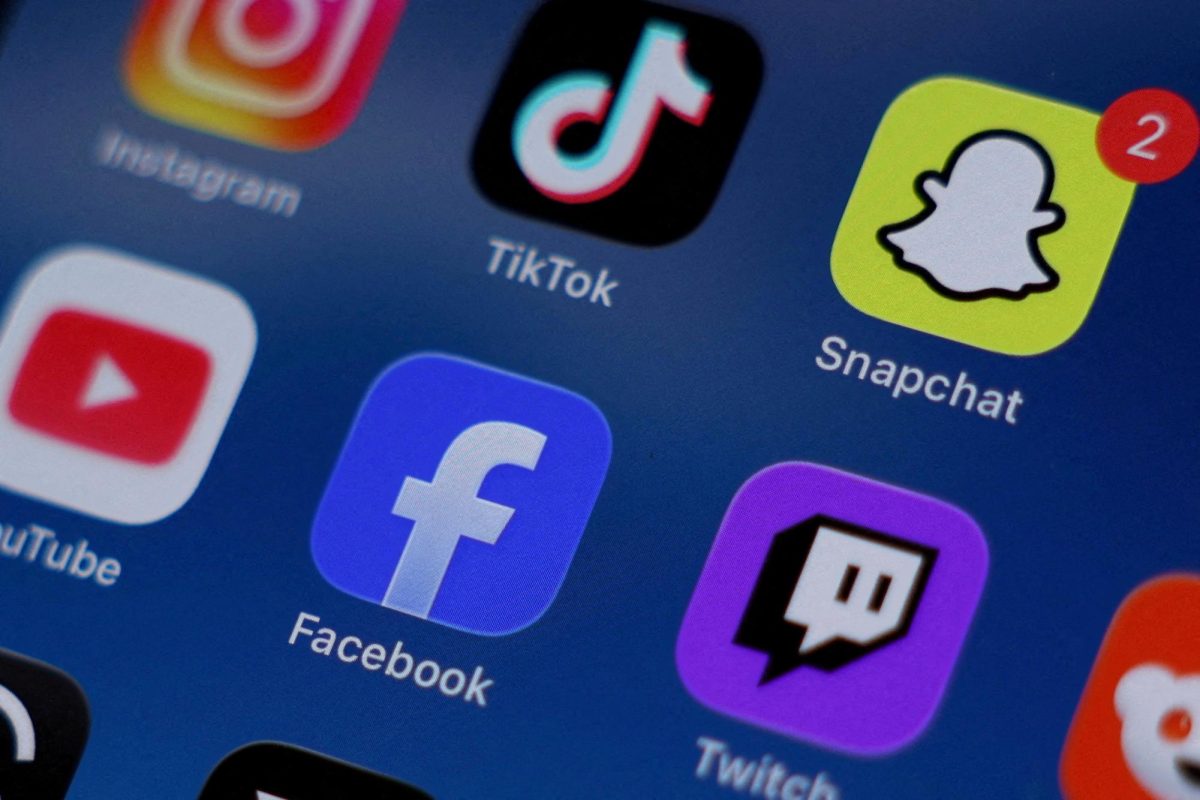
Social media is often portrayed as a corrosive force—one that erodes attention spans, fosters insecurity, and deepens division. While these criticisms are not without merit, they dominate the conversation so thoroughly that they obscure a more nuanced and increasingly evident reality: social media has also become a powerful engine for positive change, especially among the current generation. When used intentionally and critically, these platforms are not just tools for entertainment but catalysts for education, connection, creativity, and civic engagement.
One of the most significant ways social media has positively impacted today’s generation is by democratizing access to information. In previous decades, knowledge was often filtered through institutions—schools, libraries, news organizations—that, while valuable, could also be limited by geography, funding, or bias. Social media has broken down many of these barriers. Students today can learn about global events in real time, access educational content created by experts, and explore perspectives that might never appear in a traditional classroom. Platforms like short-form video apps and discussion forums have become informal learning hubs, where topics ranging from calculus to climate science are explained in accessible, engaging ways. This shift has empowered young people to take greater ownership of their education, fostering curiosity and self-directed learning.
Equally important is social media’s role in amplifying diverse voices. Historically marginalized groups—whether defined by race, gender, socioeconomic status, or geography—have found in social media a platform to share their stories and advocate for their communities. For the current generation, this exposure has cultivated a broader sense of empathy and awareness. Young people are not only more informed about social issues but also more likely to engage in meaningful conversations about them. This increased visibility has helped normalize discussions around mental health, identity, and inequality, reducing stigma and encouraging inclusivity. In many ways, social media has accelerated cultural shifts that might otherwise have taken decades.
Another positive impact lies in the realm of community building. For many individuals, especially those who feel isolated in their immediate environments, social media offers a sense of belonging. Students with niche interests—whether in art, gaming, science, or activism—can connect with like-minded peers across the globe. These connections can be deeply affirming, helping individuals feel seen and understood. For those dealing with challenges such as chronic illness or mental health struggles, online communities often provide support systems that are not readily available offline. The ability to share experiences, seek advice, and offer encouragement has created networks of solidarity that transcend physical boundaries.
Creativity has also flourished in the age of social media. Today’s generation is not just consuming content; they are producing it. Platforms have given rise to a new wave of creators who use digital tools to express themselves through art, music, writing, and video. This has lowered the barriers to entry for creative industries, allowing talented individuals to showcase their work without needing traditional gatekeepers. A student with a smartphone can now reach an audience of thousands—or even millions—sharing their voice and perspective. This has not only diversified the creative landscape but also encouraged experimentation and innovation. Young people are learning valuable skills in storytelling, design, and digital communication—skills that are increasingly relevant in the modern workforce.
Social media has also proven to be a powerful tool for civic engagement and activism. The current generation is often described as politically aware and socially conscious, and social media has played a significant role in shaping that identity. Platforms enable rapid dissemination of information about social causes, protests, and policy changes, making it easier for young people to stay informed and get involved. Hashtag movements and online campaigns have brought attention to critical issues, mobilized communities, and even influenced public policy. While some critics dismiss this as “slacktivism,” the reality is more complex. Online engagement often serves as a gateway to offline action, whether through volunteering, organizing, or voting. Social media has made civic participation more accessible, particularly for those who may not have traditional avenues for engagement.
In addition to fostering awareness and activism, social media has contributed to the development of digital literacy. Growing up in a media-rich environment, today’s generation is learning to navigate complex information ecosystems. They are increasingly aware of issues such as misinformation, algorithmic bias, and online privacy. While challenges remain, many young people are developing critical thinking skills that enable them to evaluate sources, question narratives, and engage responsibly online. Educational initiatives and peer-led discussions on these topics are becoming more common, further strengthening this competency. In a world where digital communication is ubiquitous, these skills are not just beneficial—they are essential.
The professional opportunities created by social media should not be overlooked either. For many young people, these platforms serve as launching pads for careers. Entrepreneurs can market their products, freelancers can showcase their portfolios, and aspiring professionals can build personal brands. Networking, once confined to formal events and institutional connections, now happens organically online. This has leveled the playing field to some extent, allowing individuals from diverse backgrounds to access opportunities that might previously have been out of reach. Moreover, the rise of the digital economy has created entirely new career paths, from content creation to social media management, offering avenues for innovation and economic mobility.
Mental health, often cited as a casualty of social media, is another area where positive impacts are emerging. While excessive use and negative interactions can be harmful, many platforms have become spaces for support, awareness, and advocacy. Influencers and everyday users alike are sharing their experiences with anxiety, depression, and other challenges, helping to normalize these conversations. Access to mental health resources, coping strategies, and peer support has expanded significantly. For some, simply knowing that others share similar struggles can be profoundly reassuring. Schools and organizations are increasingly leveraging social media to promote well-being, creating campaigns that encourage mindfulness, self-care, and help-seeking behavior.
It is also worth noting the role of social media during times of crisis. Whether during natural disasters, public health emergencies, or social upheaval, these platforms have served as vital communication channels. Information can be disseminated, resources can be coordinated, and communities can mobilize to support those in need. For the current generation, witnessing and participating in these efforts has reinforced a sense of global interconnectedness and responsibility. Social media has shown that collective action is not only possible but powerful.
Of course, acknowledging these positive impacts does not mean ignoring the challenges. Issues such as cyberbullying, misinformation, and overuse are real and must be addressed. However, focusing solely on these negatives risks overlooking the ways in which social media is evolving—and being shaped by its users—for the better. The current generation is not passively consuming these platforms; they are actively redefining them. Through advocacy, creativity, and critical engagement, they are pushing for more ethical, inclusive, and constructive online spaces.
In conclusion, social media is far more than a source of distraction or division. For today’s generation, it is a multifaceted tool that supports learning, amplifies voices, builds communities, fosters creativity, and encourages civic participation. Its impact is not inherently positive or negative; it depends on how it is used. Increasingly, young people are demonstrating that when approached with intention and awareness, social media can be a force for good. As the digital landscape continues to evolve, it is essential to recognize and nurture these positive contributions, ensuring that social media remains a space where connection, growth, and meaningful change can thrive.