Freedom is the word we use to talk about what makes America special. We celebrate it on holidays, recite it in pledges and teach it as part of our national story. But right now, that story feels like it’s being rewritten — not by abstract ideals, but by dramatic events that are shaking America and the world. When we think about freedom today, we have to ask: Are we talking about freedom as mere power, or freedom as shared responsibility?
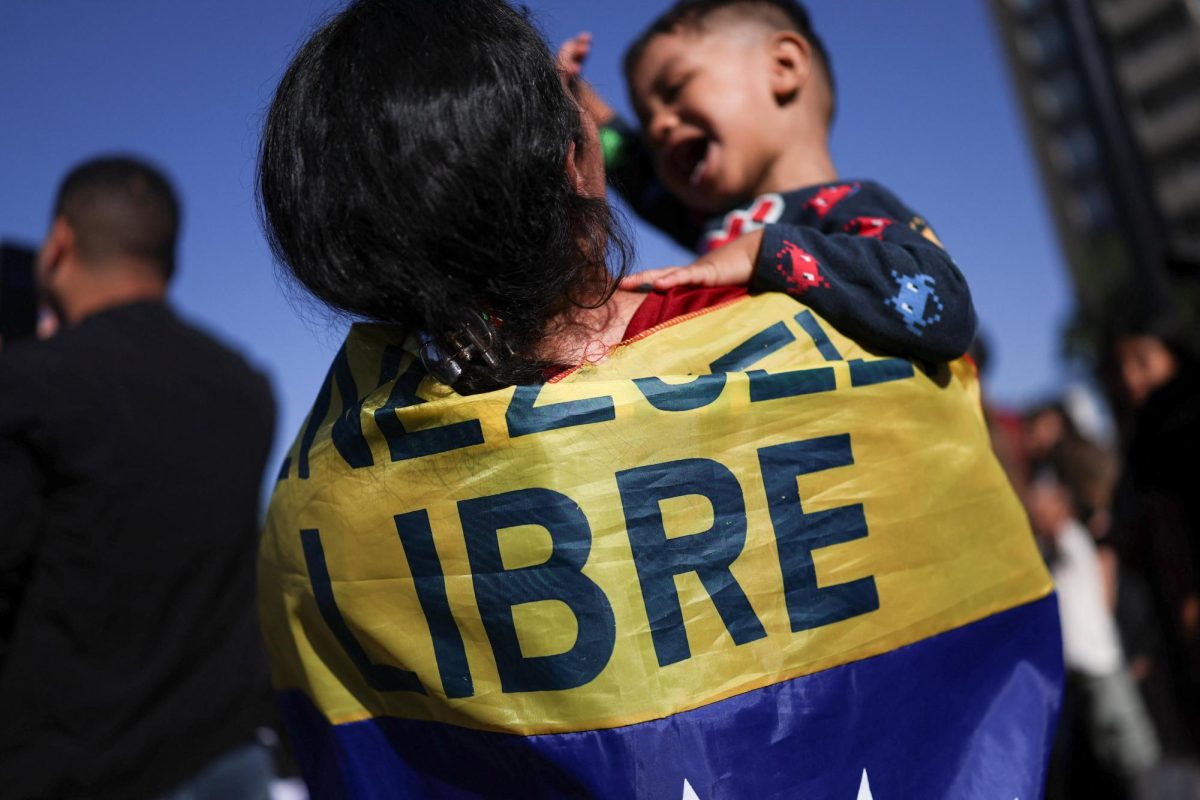
In early January 2026, the world watched in shock as the United States carried out a military operation in Venezuela that resulted in the capture and removal of Venezuelan President Nicolás Maduro by U.S. forces. Maduro was transported to the United States to face charges, and Venezuela’s vice president, Delcy Rodríguez, was sworn in as interim leader.
Some Americans welcomed the development as a blow against authoritarianism. Others saw it as a troubling use of military force and an alarming precedent for international relations — one that raises questions about national sovereignty and the limits of power. Many Venezuelans and global leaders condemned the action as “cowardly kidnapping” and violations of international law.
This event forces us to rethink freedom not just in America but globally. Is freedom simply the ability of a strong nation to impose change? Or is it something deeper — the right of people to choose their own leaders without outside force? In claiming to act “for freedom,” powerful nations risk eroding the very freedoms they claim to protect. When foreign intervention becomes a tool rather than a last resort, we inch closer to dominance and farther from mutual respect.
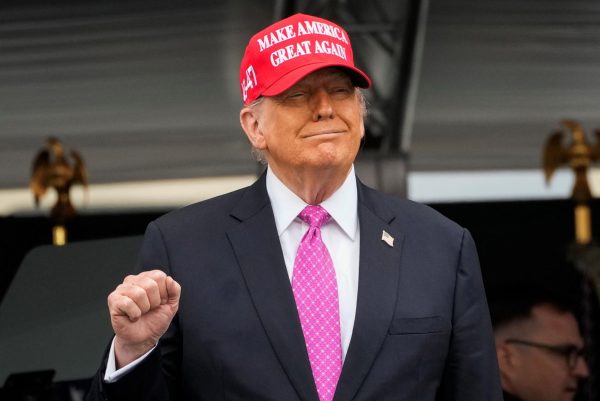
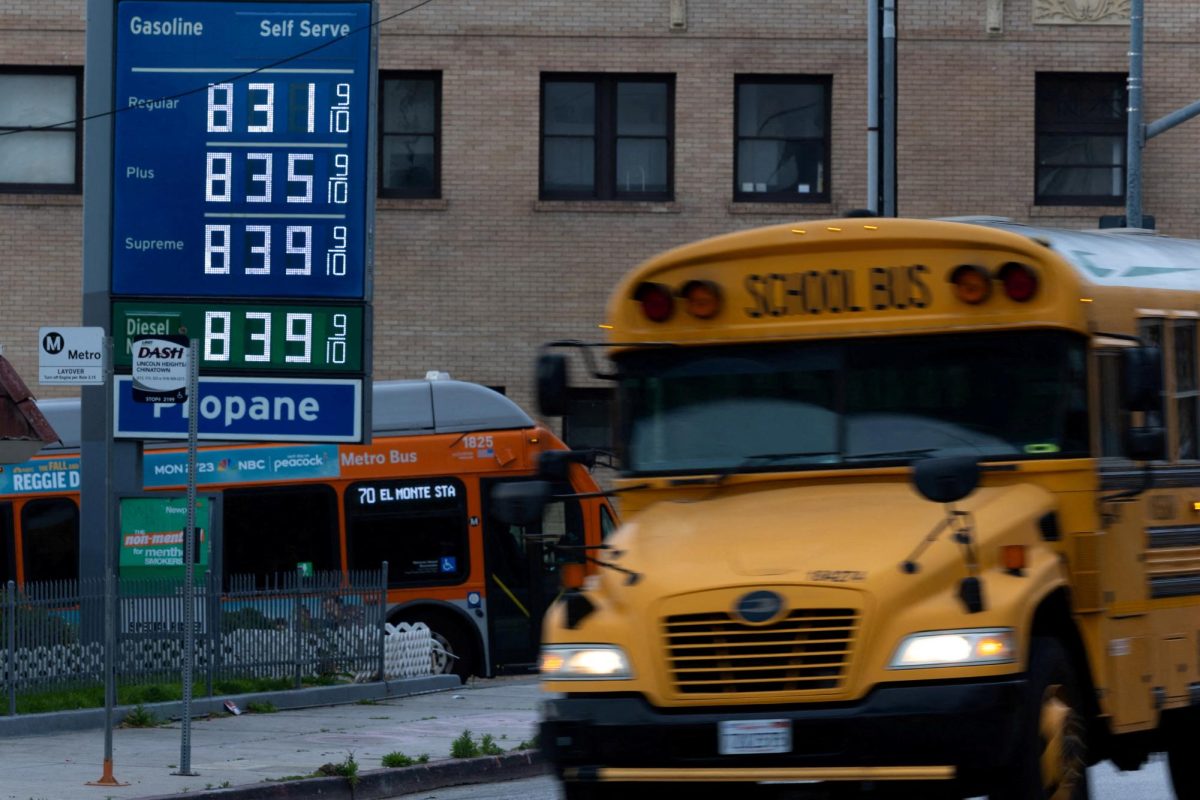
Closer to home, another kind of freedom — economic freedom — has been under strain. Over the past year, the U.S. government has imposed higher trade tariffs on imports from around the world, arguing that tariffs protect American industry. These trade policies have had mixed effects. In some sectors, tariffs have raised prices and disrupted global markets, causing uncertainty among businesses and consumers.
For many American families, freedom used to mean affordable goods, steady jobs and economic stability. But when everyday products cost more because of trade barriers, some people feel less free — not more. Tariffs affect the price of clothes, appliances and food, and for families already stretched thin, rising costs can feel like a loss of control rather than an increase in liberty.
Political freedom and economic freedom are deeply connected, but they don’t always move in the same direction. When foreign policy and trade decisions are made with only short-term objectives in mind, it can leave ordinary people feeling squeezed between global conflicts and rising living costs.
And while we talk about foreign policy and big economic numbers, something more personal has been happening right here in the United States — a crisis in mental health that touches the lives of students and families nationwide. The 988 Suicide & Crisis Lifeline was established to help Americans in moments of anguish, connecting people with trained counselors when they need it most.
Yet in 2025, the federal government ended specialized support for LGBTQ+ youth through the 988 system, a decision that advocates say has left vulnerable callers without trusted, culturally competent help. In Texas alone, suicide hotline centers are struggling under funding deficits, and many callers abandon calls mid-connection because wait times are long and resources are stretched thin.
For many Americans — especially young people — these hotlines aren’t just a service, they’re a lifeline. The freedom to live, to hope, and to ask for help in your darkest moment shouldn’t depend on funding battles or political agendas. When our support systems weaken, we aren’t freer; we’re more vulnerable.
So what does freedom really mean in America right now?
Freedom isn’t just the power to dominate another country. It’s not merely the ability to choose what you buy or which laws make it onto the books. True freedom is the ability for every person to participate in society with dignity, safety, and opportunity.
Freedom means that disagreements don’t lead to violence.
Freedom means that economic policies support families, not punish them.
Freedom means that people in crisis can access help, not hit a dead end.
Across the world and within our own borders, events are showing that freedom without empathy and responsibility is hollow. When foreign policy decisions override the voices of those affected, we see unrest. When trade policies raise costs without clear benefit to working families, we see frustration. When mental health services fall short, we see lives in crisis, not liberty.
Young people living through these times are witnessing a new definition of freedom — one that requires vigilance, understanding, and participation. Freedom isn’t a one-time achievement; it’s something we build every day. It’s not guaranteed by slogans and policy alone, but by how we treat each other and how we balance rights with care.
In a world of political conflict, economic uncertainty, and real human suffering, let us remember that freedom *isn’t just what we can do — it’s the responsibility we have to ensure that everyone has the conditions to thrive.
If America is to live up to its ideals, then we must not only preach freedom — we must protect it in ways that reflect both strength and compassion.