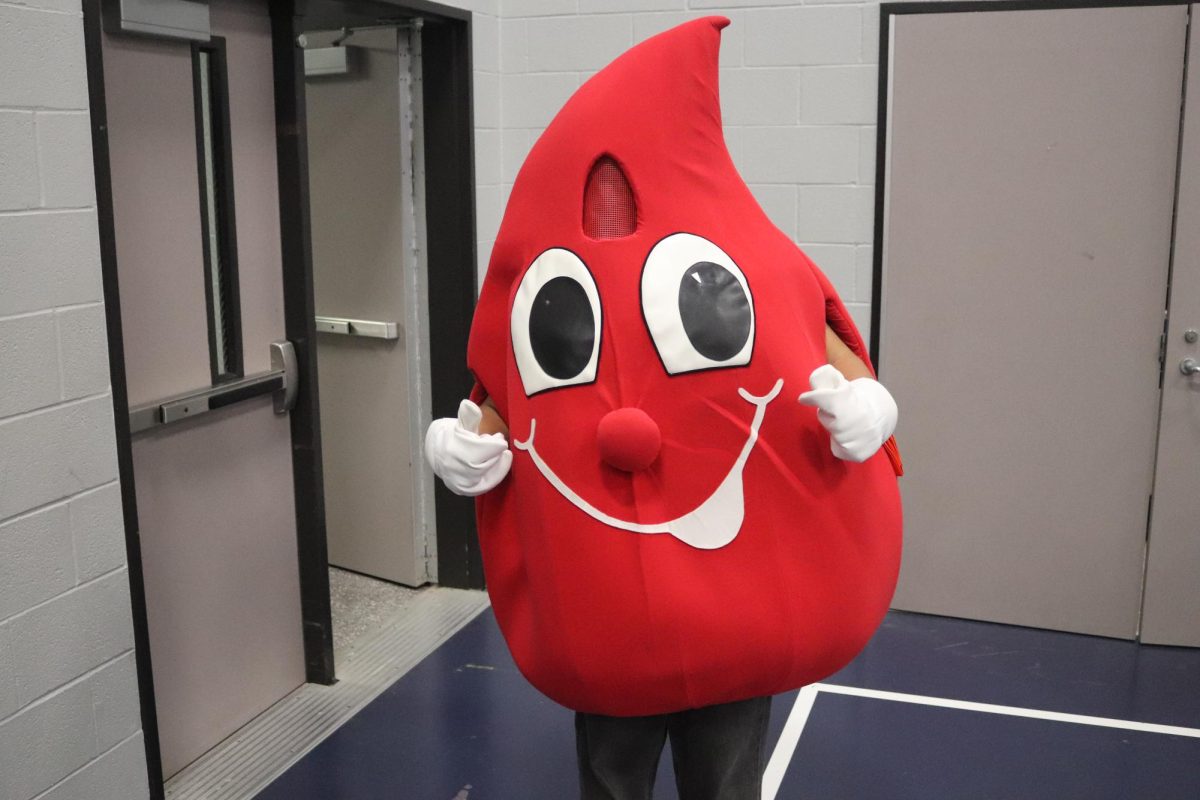
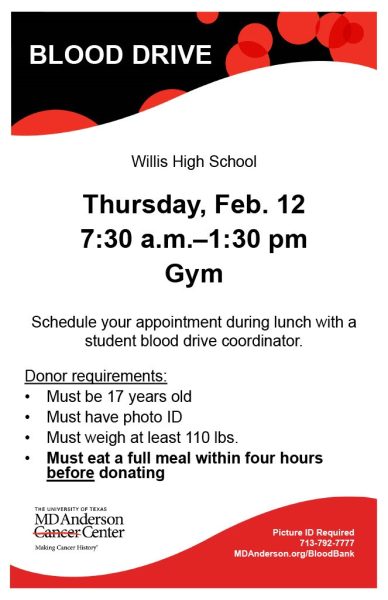
On February 12th, HOSA will be hosting another blood drive that is open to any and all students that are on campus. Similar to last semester, those who wish to donate blood will be saving three lives in just the span of a few minutes.
Many people who had donated at the last blood drive might feel compelled to do it once more because of the incentive that caused them to save lives in the first place.
“I donated because something inside of me told me I should,” senior Jacob Elliot said. “I felt like I had helped someone somehow. It was a good feeling to feel giving.I will say that if you feel like you want to donate you should you will feel better as a person knowing you have helped someone.”
Many adults that come on campus that day are also allowed to donate blood. The more people there are helping out with HOSA, the better.
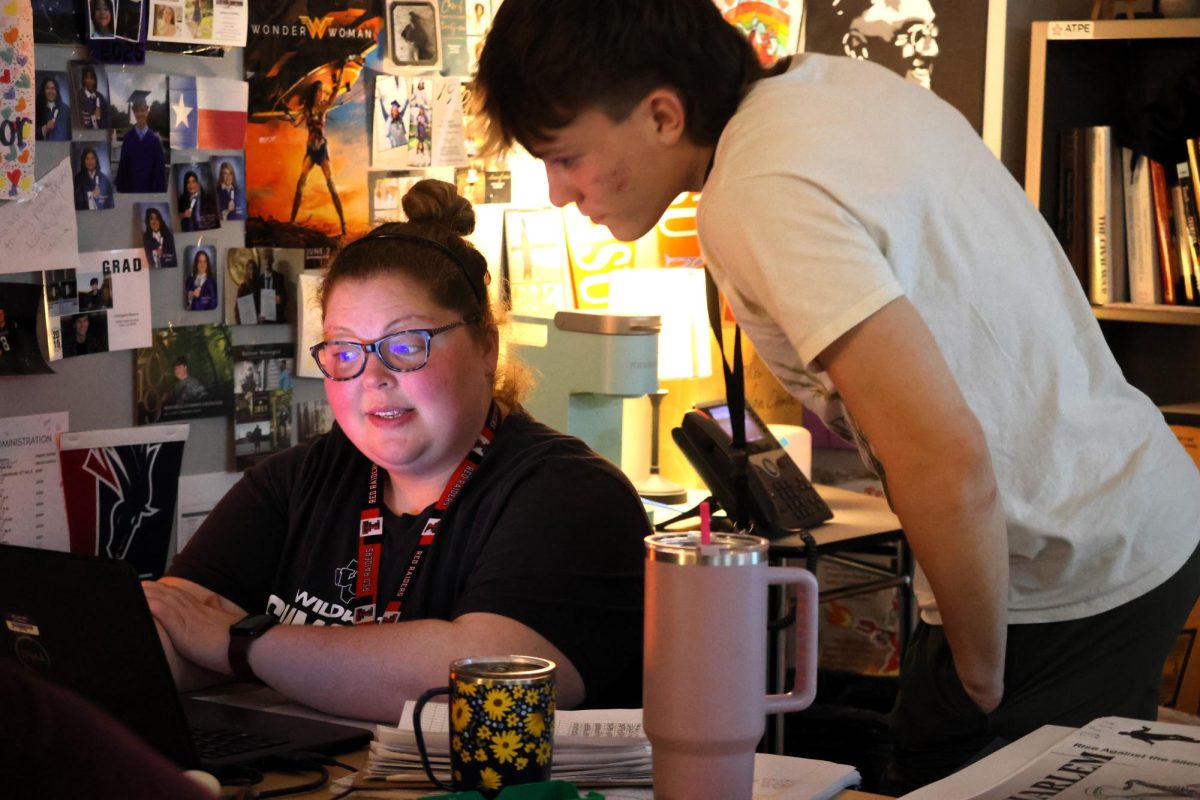
“The incentive to donate blood is that 20 minutes of your time saves three lives,” health science teacher Katrina King said. “I hope that we develop a sense of humanity by hosting as many as we do and talking about all the benefits we can do here in our little home town. The last blood drive we held went so well and we were so appreciative of the student body for giving the most donations. I would like to challenge our community and all the adults to see if they can match how many students donate.”
Even if you are someone who might feel a little woozy around needles and blood, it’s not something that caused a big commotion to most people who went through with it.
“As someone who is donating, I’m mostly just excited about being able to help people and knowing that I am helping in a way by giving blood,” junior Madeline Bruce said. “As a volunteer, I’m excited because I get to help people in a different way by escorting. For experiencing donating, it was actually not as bad as people make it out to be.”
No one is lying when they say the experience of donating blood was a lot easier than they thought it was going to be.
“I, personally, hate shots and needles,” Bruce said. “But I think the concept of donating and having an IV in your arm is scarier than the reality. It was really just a prick and that’s all, not as bad as I originally thought. I think the incentive people have to donate is the fact that they are indeed helping others. While, yes, most do sell their blood when they reach over the age of 18, people can still donate for free because it costs nothing to help others.”
Maybe it seems a little off to those who are younger to give up some blood, but it matters a lot more when the choice is to replenish your own shortly after a few weeks, or let those who barely have any continue to fight.
“I’m excited for more people to save more lives,” senior Katelyn Davies said. “It’s the biggest incentive there could be. Normally to save a life, you have to be certified and trained with years of education, but to save three lives, all you have to do is sit in a chair and give up blood that will be replenished by your body within six to eight weeks.”