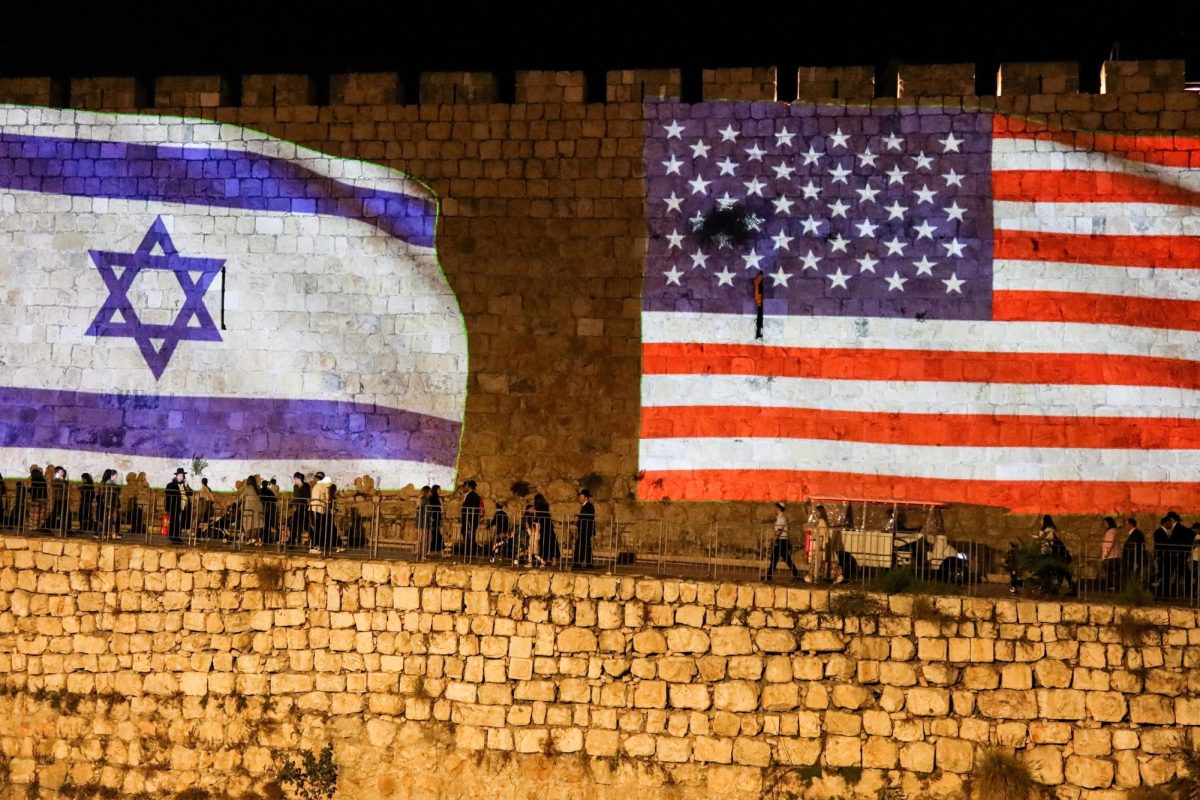
October 7, 2025, marks two years since the genocide in Palestine began once more. Last year, in 2024, the world witnessed a 60-day-long ceasefire that was broken within two weeks. This year, United States President Donald Trump negotiated a permanent ceasefire deal, consisting of his 20-point plan.
Trump’s 20-point plan isn’t a terrible deal. The plan calls for the release of every hostage on both sides, Israeli soldiers to withdraw from Gaza, and for the international community to come together to help rebuild Gaza. Despite this, two long-term concerns arise. With Donald Trump and Tony Blair serving as chairs of a transitional governance until Palestine is ready, could this potentially lead to another fight for independence? Although the Board contains Palestinian individuals, could that really be enough after seeing the United States fund Israel’s genocide, and the United Kingdom also give weapons to Israel. The second concern is what Western influence is going to look like in the Middle East, especially Palestine. Could this finally be the help Palestinians have been waiting for?
As of today, Israel has agreed to phase one of the ceasefire deal, Hamas is waiting on reassurance that this will permanently end the war and the harm to Palestinians from Israel, and both parties are virtually in agreement. An agreement from both sides is to stop the genocide immediately, as of point three in Trump’s 20-point plan. Considering this clause, Israel is still relentlessly bombing Gaza. A documented murder was of a family of four in their home from an Israeli bomb. Israel has killed over 500,000 Palestinians since October 7, 2023. Hamas killed 1,200 Israelis on October 7, 2023.
A concern outside the 20-point deal is the long-term future of the region. Israel has also been bombing Lebanon, Syria, and Yemen for two years, and more. Although the plan outlines that Palestinians will work towards statehood, what is that going to look like? The entirety of the Gaza Strip is destroyed, with thousands under the rubble, and thousands more dead. Water is contaminated, and crops are almost unheard of. Israeli’s destroyed most of Palestine’s olive trees, which were their main export. Palestinians still have their fishing, but the seas are polluted due to Israel’s constant carpet bombing and drones. But what does this mean for the region? Israel is ordered to stay out of Palestine, but not the other countries, and the Israeli military still aims for a “Greater Israel.”
The United Nations and the Red Crescent are ordered to immediately step in and help and aid Palestinians in the Gaza Strip as soon as an agreement is decided and Israel has withdrawn. Part of rebuilding Palestine is rebuilding the population. More than ten children a day lose a limb or more in Gaza, that doesn’t include the adults, nor the children who died. Children and adults have been dying from starvation due to the lack of food in Gaza because of Israel’s bombardment. Treating an entire population for malnutrition, amputees, infections, illnesses, major wounds, and trauma while cleaning up the carpet-bombed cities of Palestine will be a multi-year-long process.
Israeli leader Yair Lapid suggested that Donald Trump receive the Nobel Peace Prize. Trump and his supporters agree, however, experts do not. Trump has not shown enough initiative for the Nobel Prize. Trump has also been incredibly complicit in the Palestinian genocide and has made previous remarks approving Gaza to become a resort area for Israelis once Palestinians had been eradicated.
Regardless of who created the peace deal and negotiated it, the world cannot forget Palestinian resistance. The entire world, at one point or another, called Palestinians terrorists who deserved this and brought it upon themselves. Countries like the United States gave weapons and money to Israel under the Biden and Trump administrations. Countries in their own crisis stood up to Israel, like Yemen and Lebanon, with the Houthis and Hezbollah. Palestinians in Gaza did everything to return to normal life as best as they could, while still trying to survive. Palestinians turned to social media by creating informative or comedy videos in order to gain funding to survive in the Gaza Strip. Adults and teenagers still gathered younger children around to teach them school materials since there was no official school during the genocide. Palestinians have found ways to make bread or to gather fish without getting martyred by Israel. Although these food items were sustainable in any way, food is food.