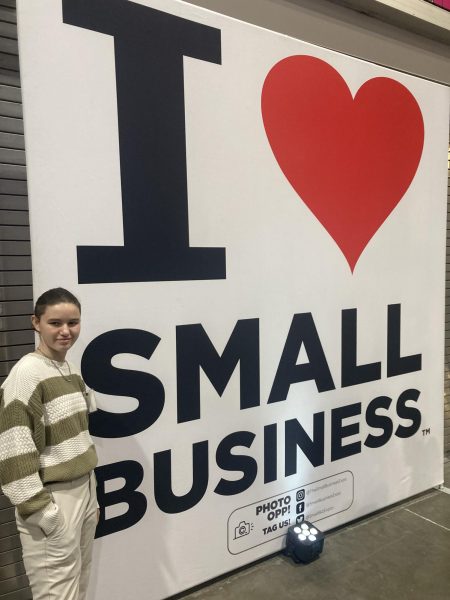
Professional business expos and development conferences play a powerful role in shaping the next generation of leaders. These environments allow students to step beyond classroom walls and engage directly with the world of entrepreneurship, communication and innovative thinking. For one student—who serves as the DECA Chapter President at WHS and is also the founder of United Connections, a student-led organization that helps young professionals develop strong communication, presentation, and leadership skills—attending the Small Business Expo provided meaningful insights that will influence both personal growth and community leadership.
At the Expo, I discovered the deeper meaning of branding—not as a logo or design choice, but as a story, identity, and emotional message that builds trust. Workshops emphasized the importance of creating a consistent brand voice and mission through tools such as a “Brand Bible,” helping organizations present themselves clearly and confidently. This lesson is especially valuable for young leaders who are still developing their professional identities and learning how to represent their work with intention.
Another key takeaway was the power of storytelling in communication. Rather than simply promoting services or achievements, the Expo highlighted how effective leaders build relationships by sharing narratives. By understanding an audience’s values and communicating through meaningful stories, brands and organizations become more relatable and memorable. This is a skill that translates directly into leadership roles, competitive presentations and collaborative team environments.
I also gained practical strategies for marketing and outreach. A keynote session provided a clear framework: social media is for expanding reach, email is for building ongoing connection, and text messaging is for timely, personal communication. Learning how to schedule outreach, automate welcome messages, and maintain consistent engagement equips young leaders to grow organizations with strategy, not guesswork.
Perhaps the greatest impact came from the connections made—speaking with entrepreneurs, professionals and fellow young leaders. These interactions made leadership feel real and achievable, reinforcing that growth comes from engagement, curiosity, and practice.
Experiences like the Small Business Expo demonstrate the importance of investing in young leaders early. When students participate in professional development environments, they gain not only knowledge, but confidence, clarity, and a larger sense of possibility. They return to their schools, organizations, and communities more prepared to lead, collaborate, and create meaningful change. Supporting opportunities like this is not just beneficial—it is essential for building strong, capable, and inspired leaders.