Imagine turning down the street you grew up on. The walls of the buildings are a different color now, there’s a different feeling in the air, but it is nostalgic. Then you read the street sign, Cesar Chavez Boulevard, and all you can remember are the years of abuse swept under the rug.
In 2014, former President Barack Obama announced March 31st as Cesar Chavez Day. Cesar Chavez was one of the many faces leading the United Farm Workers. The day not only marked Chavez’s accomplishments, but also the accomplishments of all of those who put in the work for farmers’ rights.
On March 18, 2026, sixty-six years later, Dolores Huerta, Ana Murguia and Debra Rojas came forward with their stories.
Beginning in the early 1960s, Chavez formed close relationships with the girls while he was in his 40s and the girls were in their early preteen years. Each other’s girls were subject to sexual abuse for the next several years of their lives.
Rojas, Huerta, and Ana Murguia couldn’t escape Chavez’s abuse due to being daughters of fathers fighting for the rights of their very own future. The girls were already silenced by Chavez numerous times with the constant looming of, “Don’t tell anyone.” None of these women wanted to see their abuse take the frontlines, especially during such an important movement.
The first time Ana Murguia was molested by Chavez was when she was 13. These sexual encounters lasted until Ana Murguia was 17.
The first time Rojas was molested was when she was 12. When she was 15, Chavez arranged a motel for her to stay at a motel with him. That night, Chavez raped her via intercourse.
Huerta noted that in 1966, Chavez drove her to a secluded grape field where he raped her. Another time, Chavez pressured Huerta to have sex with her in a hotel during a road trip six years earlier. Both instances resulted in Huerta giving birth to two girls.
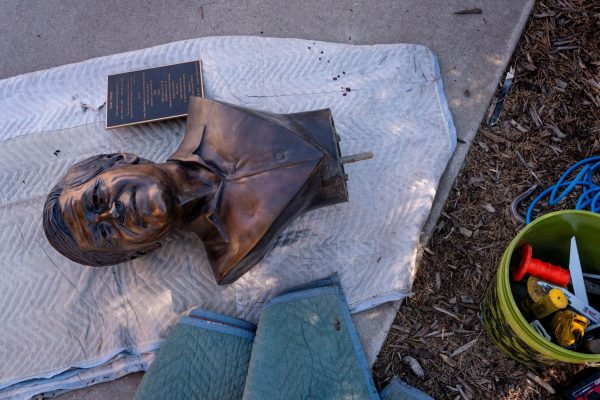
Throughout the 1960s and 1970s, Chavez, along with many others, fought for the rights of farmworkers in the United States. Chávez has been held on a pedestal by many for these accomplishments. The Union of farmworkers fought for rights like clean drinking water, clean toilets, and ending pesticide use. In 1993, he was posthumously awarded the Presidential Medal of Freedom for his efforts.
Since Huerta , Rojas, and Murguia have come forward, there have been a minimum of at least twelve others claiming to have been pursued, and some harassed, by Chavez. There is no telling how many more victims there could have been, and the various ages and degrees. The selfless nature of these woman to put their lives on hold, and swallow these disturbing actions that were no fault of their own, for society.
Chávez died in 1992 at the age of 66. Even with the perpetrator gone, it was still too much to come forward. The United Farmworkers of America was what gave those three women, their families and friends hope. It was the vital connection for a lifeline that could finally improve their lives and finally shed light on the unequal rights. It is already difficult to be trusted and heard for a sexual assault allegation; it is even more difficult when the abuser is Cesar Chavez.
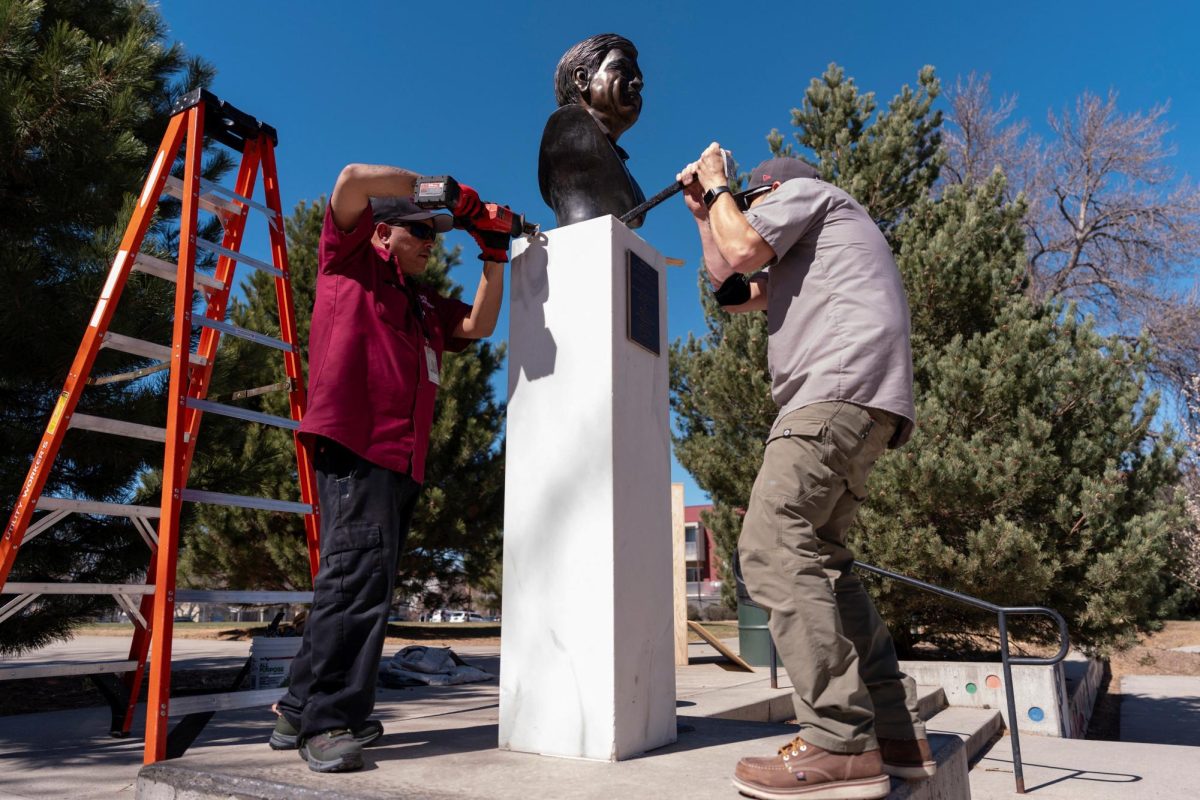
Over 60 years later, the silence has finally been broken, and the proper measures are being taken, such as changing names. Buildings, schools, and street signs that have Chavez’s name on them will be changed to something different. Cesar Chavez Day has been renamed to Farmworkers Day.
Not everywhere in the US has changed names or fully accepted the new information on Chavez, but it is important to follow in the footsteps of California. California is aiming to shift the attention from Chavez, and to the achievements of farmworkers as a whole. This will hold Chavez accountable in a full circle while also providing the proper comfort to his victims. The new accountability provides a better space to lift our farmworkers and truly remember what the day is about.